

Introduction
When choosing new seat cushions, many people get confused between foam density and firmness. They often think both mean the same thing. However, that is not true. Understanding foam density vs firmness for cushions is very important if you want long-lasting comfort and proper support.
Density affects how durable and strong the foam is. Firmness affects how the cushion feels when you sit on it. If you choose the wrong combination, your cushions may sag quickly or feel uncomfortable. That is why learning the difference helps you make a smart buying decision.
Whether you are replacing sofa cushions, upgrading dining chairs, or buying office seating, knowing how density and firmness work together will help you choose better. In this guide, you will learn what each term means, why it matters, how to choose correctly, and common mistakes to avoid.
By the end, you will clearly understand foam density vs firmness for cushions and feel confident selecting the right option for your needs.
What Is Foam Density vs Firmness for Cushions?
Foam density and foam firmness are two different measurements.
Foam Density
Density refers to how much material is packed inside the foam. It is measured in pounds per cubic foot (lbs/ft³). Higher density foam contains more material and is usually more durable.
Examples:
- 1.8 lb density = lower durability
- 2.5 lb density = good durability
- 3.0+ lb density = high durability
Foam Firmness
Firmness refers to how soft or hard the foam feels when you press or sit on it. It is measured using something called ILD (Indentation Load Deflection). Higher ILD means firmer foam.
For example:
- Low ILD = soft feel
- Medium ILD = balanced feel
- High ILD = firm feel
In simple words:
- Density = how long it lasts
- Firmness = how it feels
Why Is Foam Density vs Firmness Important?
Understanding foam density vs firmness for cushions helps you avoid problems like:
- Cushions sagging too quickly
- Seats feeling too hard or too soft
- Poor posture support
- Wasted money on low-quality foam
Here’s why both matter:
- High density foam lasts longer.
- Proper firmness gives better sitting comfort.
- Good balance prevents back and hip pain.
- Correct choice improves overall cushion lifespan.
If you choose soft foam with low density, it may feel nice at first but break down quickly. If you choose very firm foam with low density, it may still lose shape fast. The best cushions usually combine proper density with the right firmness level.
Step-by-Step Guide to Choosing the Right Density and Firmness
Step 1: Understand Your Usage
Ask yourself:
- Is this for a sofa used daily?
- Is it for dining chairs?
- Is it for office seating?
- Is it for occasional guest use?
Daily use seating needs higher density foam.
Step 2: Choose the Right Density
General guidelines:
- 1.5–1.8 lb density: Light use only
- 2.0–2.5 lb density: Good for regular home use
- 2.5–3.0+ lb density: Best for heavy or daily use
For long-lasting cushions, 2.5 lb or higher is recommended.
Step 3: Choose the Correct Firmness
Firmness depends on comfort preference and body weight.
- Soft: Cozy feel, more sink
- Medium: Balanced support
- Firm: Strong support, less sink
For sofas, medium to medium-firm is common.
For dining chairs, medium-firm works well.
For office chairs, firm support is usually better.
Step 4: Consider Body Weight
Heavier individuals need:
- Higher density
- Slightly firmer foam
Lighter individuals may prefer:
- Medium density
- Softer feel
Step 5: Combine Both Properly
Best combinations:
- High density + medium firmness = durable and comfortable
- High density + firm = supportive and long-lasting
- Medium density + soft = comfortable but less durable
Avoid low density + very soft for daily seating.
Benefits of Understanding Foam Density vs Firmness
- Longer cushion lifespan
- Better comfort balance
- Improved posture support
- Reduced sagging
- Better value for money
- Smart buying decisions
- More consistent seating feel
When you understand both factors, you avoid replacing cushions too soon.
Disadvantages / Risks
- High density foam costs more
- Very firm foam may feel uncomfortable for some users
- Soft foam may lack support
- Low density foam breaks down quickly
- Wrong combination causes early sagging
Knowing these risks helps you choose wisely.
Common Mistakes to Avoid
- Thinking density and firmness are the same
- Choosing foam based only on softness
- Ignoring density ratings
- Buying cheap low-density foam for daily use
- Not considering body weight
- Skipping proper thickness selection
Avoiding these mistakes saves money and improves comfort.
FAQs
1. Is higher density foam always firmer?
No. Density measures durability, not softness. High density foam can still feel soft.
2. What density is best for sofa cushions?
2.5 lb or higher is ideal for daily sofa use.
3. What firmness is best for dining chairs?
Medium to medium-firm usually works best.
4. Does firmness affect durability?
Not directly. Density affects durability more than firmness.
5. Can soft foam be high density?
Yes. Foam can be soft in feel but still high in density and durable.
6. Why do my cushions sag quickly?
Most likely due to low density foam, not firmness.
Expert Tips & Bonus Advice
- Always check density rating before buying.
- For heavy daily use, choose at least 2.5 lb density.
- Medium-firm cushions usually provide the best balance.
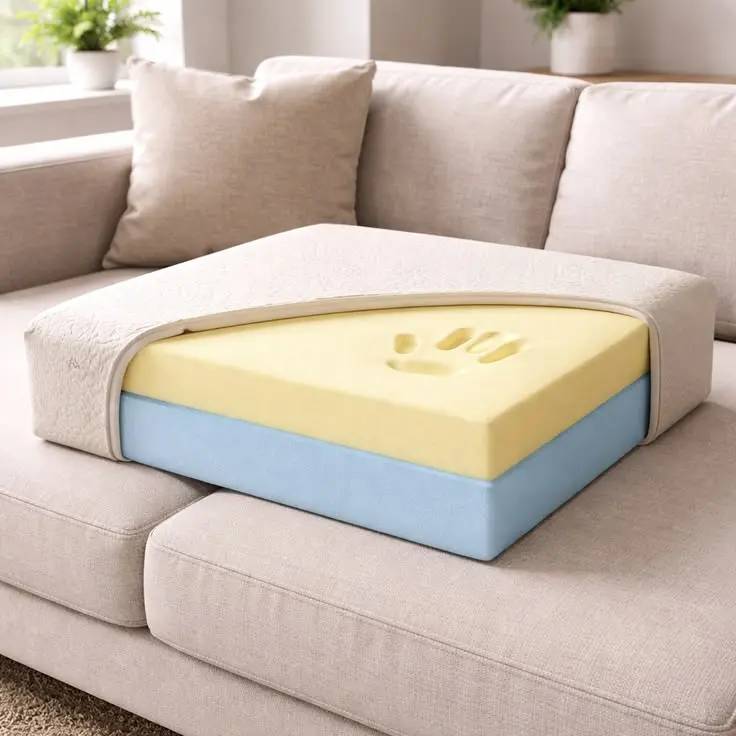
- Layered cushions (firm base + soft top) give comfort and durability.
- Rotate cushions regularly to prevent uneven wear.
- Invest once in high density foam instead of replacing cheap foam repeatedly.
Conclusion
Understanding foam density vs firmness for cushions is the key to choosing comfortable and long-lasting seating. Density tells you how strong and durable the foam is, while firmness tells you how it feels when you sit down.
Many people make the mistake of focusing only on softness. However, durability depends mainly on density. A high density foam with the right firmness level provides better support, improved posture, and longer cushion life.
For most home seating, choosing medium to high density foam with medium-firm support gives the best results. If you sit for long hours or need extra durability, go for higher density options.
By understanding the difference between foam density and firmness, you can avoid sagging cushions, discomfort, and wasted money. A smart choice today means better comfort for years to come.
