

Introduction
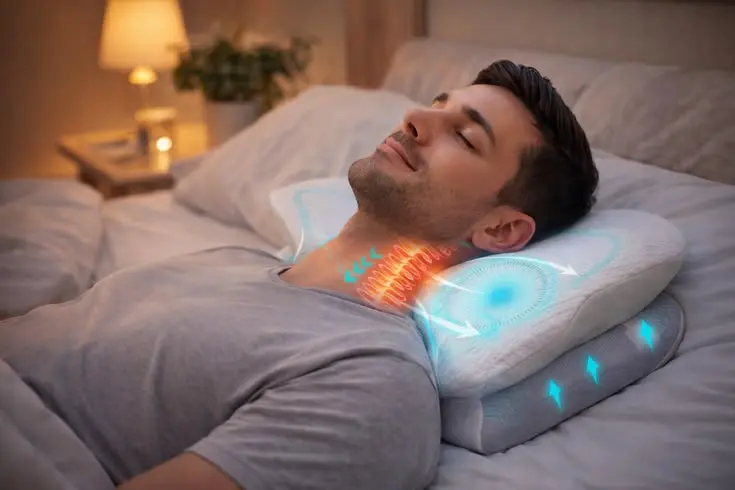
If you often wake up with body aches, sore shoulders, or stiff hips, your mattress could be the reason. Many people struggle with pressure points during sleep, especially when lying on one side or staying in one position for too long. That’s where sleep foam for pressure point relief becomes important. It is designed to reduce stress on sensitive areas of the body and improve overall comfort.
Sleep foam works by adapting to your body shape. It distributes your weight evenly and reduces pressure on key areas like the shoulders, hips, and lower back. As a result, you experience less pain and better sleep quality. In today’s fast-paced life, quality sleep is not a luxury but a necessity.
Choosing the right sleep foam for pressure point relief can make a huge difference in how you feel each morning. Whether you are a side sleeper, back sleeper, or someone dealing with joint pain, the right foam can support your body properly. Moreover, it can help reduce tossing and turning, which is a common problem for many people.
What is Sleep Foam for Pressure Point Relief?
Sleep foam for pressure point relief is a special type of cushioning material used in mattresses and toppers. It is designed to reduce pressure on certain parts of the body while you sleep. These pressure points usually include the shoulders, hips, knees, and lower back.
Unlike traditional mattresses, sleep foam molds to your body shape. It responds to your weight and temperature, creating a personalized sleeping surface. This helps in distributing your body weight evenly across the mattress.
There are different types of sleep foam available, including memory foam, latex foam, and gel-infused foam. Each type has its own benefits, but all aim to provide pressure relief and support.
For example, memory foam is known for its contouring ability. It hugs your body and relieves stress from sensitive areas. On the other hand, latex foam offers more bounce and natural support. Gel foam helps in keeping the surface cool while still providing pressure relief.
Why is Sleep Foam for Pressure Point Relief Important?
Sleep plays a key role in your physical and mental health. However, poor mattress support can lead to discomfort and even long-term health issues. This is why sleep foam for pressure point relief is so important.
First, it helps reduce body pain. When pressure builds up in certain areas, it can cause soreness and stiffness. Sleep foam minimizes this pressure, allowing your body to relax completely.
Second, it improves blood circulation. When pressure points are reduced, blood flows more freely throughout your body. This prevents numbness and tingling sensations during sleep.
Another important benefit is better spinal alignment. Sleep foam supports your natural posture, which helps in reducing back and neck pain. Over time, this can lead to improved overall health.
Additionally, sleep foam for pressure point relief reduces motion transfer. This means you are less likely to be disturbed by a partner moving during the night. As a result, you get deeper and more uninterrupted sleep.
Detailed Step-by-Step Guide
Step 1: Identify Your Sleeping Position
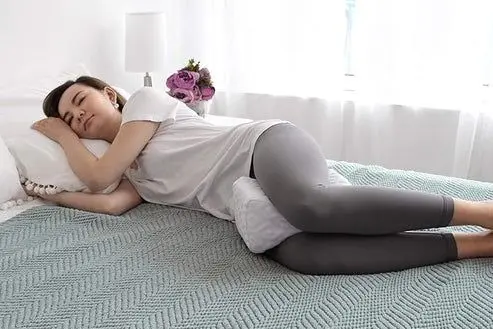
Your sleeping position plays a big role in choosing the right foam.
- Side sleepers need softer foam for shoulder and hip relief
- Back sleepers need medium support for spinal alignment
- Stomach sleepers need firmer foam to avoid sinking
Understanding your position helps you select the right level of pressure relief.
Step 2: Choose the Right Foam Type
Different foams offer different benefits.
- Memory foam: Best for contouring and pressure relief
- Latex foam: Durable and responsive
- Gel foam: Cooler and more breathable
Pick the one that matches your comfort needs and sleeping habits.
Step 3: Check Foam Density
Density affects both comfort and durability.
- Low density: Softer but less durable
- Medium density: Balanced comfort and support
- High density: Firm and long-lasting
For pressure point relief, medium to high density is usually ideal.
Step 4: Consider Thickness
Thickness impacts how much support you get.
- 2–3 inches: Good for mattress toppers
- 4–6 inches: Better for deeper support
Thicker foam provides better pressure distribution.
Step 5: Test Firmness Level
Firmness should match your body weight and preference.
- Soft: More cushioning for lighter individuals
- Medium: Suitable for most people
- Firm: Better for heavier individuals
Always choose a level that feels comfortable for long hours.
Step 6: Look for Cooling Features
Some foams trap heat, which can disturb sleep.
- Gel-infused foam helps regulate temperature
- Open-cell structure improves airflow
Cooling features are especially important in warm climates.
Step 7: Read Reviews and Ratings
Before buying, check what others say.
- Look for real user experiences
- Focus on comfort and durability feedback
This helps you make a better decision.
Benefits of Sleep Foam for Pressure Point Relief
- Reduces pressure on sensitive body areas
- Improves blood circulation during sleep
- Supports proper spinal alignment
- Minimizes tossing and turning
- Enhances overall sleep quality
- Reduces joint and muscle pain
- Absorbs motion for undisturbed sleep
- Adapts to different body shapes and sizes
Disadvantages / Risks
- Can retain heat if not designed with cooling features
- May have a slight odor when new
- Higher-quality foam can be expensive
- Some people may find it too soft or too firm
- Takes time to adjust for new users
- Not all foams are equally durable
Common Mistakes to Avoid
One common mistake is choosing the wrong firmness level. Many people pick a mattress that is either too soft or too hard, which leads to discomfort.
Another mistake is ignoring foam density. Low-density foam may feel good at first but wears out quickly. Always consider long-term durability.
People also forget to consider their sleeping position. A foam that works for a back sleeper may not suit a side sleeper.
Skipping research is another issue. Not reading reviews or product details can lead to poor choices.
Lastly, many buyers ignore temperature control. Choosing foam without cooling features can cause overheating during sleep.
Avoiding these mistakes can help you get the best results from sleep foam for pressure point relief.
FAQs
1. What is the best type of sleep foam for pressure point relief?
Memory foam is often considered the best because it contours closely to the body. However, latex and gel foam are also good options depending on your needs.
2. How thick should sleep foam be?
For most people, a thickness of 3 to 5 inches works well. Thicker foam provides better support and pressure relief.
3. Is sleep foam good for back pain?
Yes, sleep foam for pressure point relief can help reduce back pain by supporting proper spinal alignment and reducing pressure on the lower back.
4. Does sleep foam get hot?
Some types can retain heat. However, gel-infused or open-cell foam helps keep the surface cool.
5. How long does sleep foam last?
High-quality foam can last between 7 to 10 years, depending on usage and maintenance.
6. Can I use sleep foam on any mattress?
Yes, foam toppers can be placed on most mattresses to improve comfort and pressure relief.
Expert Tips & Bonus Points
Choose a mattress or topper that comes with a trial period. This allows you to test comfort before making a final decision.
Rotate your mattress regularly to maintain its shape and durability. This also helps in even wear over time.
Use a breathable mattress cover to improve airflow. This keeps the surface cool and fresh.
Keep your room temperature moderate. A cool environment enhances the performance of sleep foam.
Clean your foam regularly using recommended methods. This helps in maintaining hygiene and longevity.
If you have specific health issues, consider consulting a professional before choosing a mattress. Personalized advice can be very helpful.
Conclusion
Getting quality sleep is essential for a healthy life, and the right mattress plays a big role in that. Sleep foam for pressure point relief is a practical solution for people who struggle with discomfort and body pain during sleep. By adapting to your body shape and distributing weight evenly, it helps reduce stress on sensitive areas.
Choosing the right foam may seem confusing at first, but understanding your needs makes the process easier. From selecting the correct type and density to considering cooling features, every detail matters. When you choose wisely, you not only improve your sleep but also enhance your overall well-being.
Moreover, investing in sleep foam for pressure point relief is not just about comfort. It is about long-term health, better posture, and improved daily performance. Small changes in your sleeping setup can bring big improvements in your life.
