


Introduction
Knowing when to replace old foam cushions is important for comfort, health, and the overall look of your furniture. Many people keep using sofa or chair cushions long after they have lost their support. At first, the change is small. The seat feels slightly softer. Then, over time, it becomes flat, uneven, and uncomfortable. That is usually the moment when you start wondering when to replace old foam cushions in your home.
Old and worn-out foam does not just affect comfort. It can also cause back pain, poor posture, and even allergies due to dust buildup. Replacing cushions at the right time keeps your furniture fresh and supportive. It also saves money because you do not need to buy a new sofa every few years.
In this guide, you will learn when to replace old foam cushions, the clear signs of damage, and how to check cushion quality step by step. Whether you are a beginner or someone who wants to improve home maintenance skills, this article will help you make the right decision with confidence.
What Is Replacing Old Foam Cushions?
Replacing old foam cushions means removing worn-out foam inserts from sofas, chairs, benches, or outdoor furniture and installing new foam that provides proper support and comfort. Over time, foam loses its shape and firmness. This natural breakdown happens because of daily pressure, body weight, and environmental factors.
Foam cushions are usually made from materials like polyurethane foam, memory foam, or high-density foam. Each type has a different lifespan. On average, standard foam cushions last between five to ten years depending on usage and quality.
When people ask when to replace old foam cushions, they are usually noticing sagging, discomfort, or visible damage. Instead of throwing away the entire piece of furniture, you can simply change the foam insert. This is a cost-effective and practical solution.
Replacing foam cushions improves seating quality, restores the original shape of furniture, and increases overall durability.
Why Is When to Replace Old Foam Cushions Important?
Understanding when to replace old foam cushions is important because your comfort and health depend on proper seating support. Sitting on flattened foam can strain your lower back and hips. Over time, this may lead to body pain and posture problems.
Old foam also collects dust, sweat, and allergens. Even if the cover looks clean, the inside foam may hold bacteria and odor. This can affect indoor air quality, especially for people with allergies.
Moreover, sagging cushions make furniture look worn and unattractive. A simple foam replacement can instantly refresh the appearance of your sofa or chairs.
By learning when to replace old foam cushions, you protect your health, extend the life of your furniture, and maintain a neat home environment.
Detailed Step-by-Step Guide
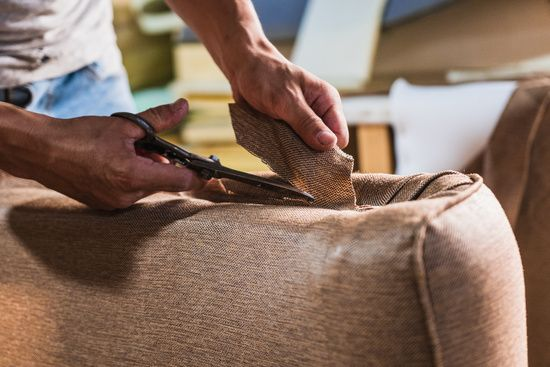
Step 1: Check for Visible Sagging
Look at your cushions from the side. If they appear flat or uneven, this is a major sign. Press your hand into the cushion and release it.
If the foam does not bounce back quickly, it has likely lost its elasticity. That is a clear indicator that it may be time to replace it.
Step 2: Test for Comfort and Support
Sit on the cushion for at least ten minutes. Pay attention to how your body feels.
Do you feel the hard frame underneath? Does your back hurt after sitting for a short time? If yes, you should consider when to replace old foam cushions seriously.
Step 3: Inspect for Crumbling or Dust
Remove the cushion cover and check the foam directly.
If you notice yellowing, cracks, or crumbling pieces, the foam is breaking down. This often happens with older polyurethane foam.
Step 4: Smell the Cushion
Old foam can trap moisture and odors.
If there is a strong smell that does not disappear after cleaning the cover, the foam inside may need replacement.
Step 5: Measure the Foam Thickness
Use a measuring tape to check the thickness.
If the foam has compressed significantly compared to its original size, it no longer provides proper support.
Step 6: Compare Age and Usage
Most cushions last five to ten years.
If your furniture is older than that and used daily, it is wise to think about when to replace old foam cushions even if the damage is not very obvious yet.
Benefits of Replacing Old Foam Cushions
- Restores comfort and proper body support
- Reduces back and joint pain
- Improves furniture appearance
- Extends the life of sofas and chairs
- Removes trapped dust and allergens
- Saves money compared to buying new furniture
- Enhances overall indoor hygiene
- Increases property value by maintaining interior quality
Disadvantages / Risks
- High-quality foam can be expensive
- Incorrect foam density choice may affect comfort
- DIY replacement may require tools and skills
- Cheap foam may wear out quickly
- Measuring mistakes can lead to improper fitting
Common Mistakes to Avoid
One common mistake is ignoring early signs of sagging. Many people wait until the cushion becomes completely unusable. Replacing foam earlier prevents discomfort.
Another mistake is choosing the wrong foam density. Too soft foam may flatten quickly. Too firm foam may feel uncomfortable. Always match foam type with your furniture use.
Some people only wash the cushion covers and forget about the foam inside. Cleaning covers does not fix worn-out foam.
Also, avoid guessing measurements. Always measure length, width, and thickness carefully before ordering new foam.
Finally, do not buy the cheapest option available. Quality foam lasts longer and provides better support.
FAQs
1. How often should I replace foam cushions?
Most foam cushions last between five and ten years. Heavy use may shorten this lifespan. Check for sagging and discomfort regularly.
2. Can I replace foam without changing the sofa cover?
Yes, you can. If the cover is still in good condition, simply replace the foam insert. This is a cost-effective solution.
3. What density foam is best for sofa cushions?
High-density foam is usually best for everyday sofas. It provides durability and strong support. Memory foam can be added for extra comfort.
4. How do I know if my cushion is beyond repair?
If the foam is crumbling, uneven, and does not regain shape after pressure, it is time to replace it.
5. Is replacing foam cheaper than buying new furniture?
Yes, in most cases it is much cheaper. Foam replacement refreshes your furniture at a fraction of the cost.
6. Can old foam cause health problems?
Old foam can trap allergens, dust, and moisture. It may contribute to allergies or breathing issues if not replaced.
7. Should I replace all cushions at once?
If all cushions are the same age and condition, it is better to replace them together for even support and appearance.
Expert Tips & Bonus Points
Choose high-resilience foam for long-term durability. It maintains shape better under daily pressure.
If you want extra comfort, use a foam and fiber wrap combination. This creates a soft top layer while maintaining support inside.
Rotate cushions regularly to distribute weight evenly. This helps delay the need to decide when to replace old foam cushions.
For outdoor furniture, use moisture-resistant foam to prevent mold and damage.
Keep cushions in a dry environment. Moisture reduces foam lifespan significantly.
Finally, keep records of purchase dates. Knowing the age of your cushions makes it easier to decide when to replace old foam cushions in the future.
Conclusion
Understanding when to replace old foam cushions is essential for maintaining comfort, health, and furniture quality in your home. Over time, even the best foam loses its shape and resilience. Sagging, discomfort, crumbling material, and persistent odors are all clear signs that replacement is necessary. Ignoring these signs can lead to body pain, poor posture, and reduced furniture lifespan.
Replacing old foam is not as complicated as many people think. With proper inspection, accurate measurement, and the right foam choice, you can restore your sofa or chair to its original comfort level. This small investment can make a big difference in your daily life.
Instead of purchasing entirely new furniture, consider refreshing what you already own. By knowing when to replace old foam cushions, you make a smart, cost-effective decision that improves both comfort and home appearance. Regular checks and simple maintenance will ensure your seating remains supportive and inviting for years to come.
