


Introduction
Choosing the right mattress can feel confusing, especially when you see terms like soft, medium, medium-firm, and firm. Many people buy a mattress based only on price or brand name. However, mattress firmness plays a huge role in sleep quality, comfort, and even long-term health.
If your mattress is too soft, your body may sink too much, causing back pain. On the other hand, if it is too firm, you may feel pressure on your shoulders and hips. That is why understanding how to choose the right mattress firmness is so important.
The right firmness level keeps your spine aligned, supports your body weight properly, and reduces pressure points. It helps you wake up refreshed instead of sore. In this detailed guide, you will learn how mattress firmness works, what level suits different sleep positions, and what common mistakes to avoid before buying.
By the end of this article, you will feel confident in selecting the perfect firmness for your personal comfort and support needs.
What Is Mattress Firmness?
Mattress firmness refers to how soft or hard a mattress feels when you lie down on it. It is usually rated on a scale from 1 to 10:
- 1–2: Very soft
- 3–4: Soft
- 5–6: Medium
- 6–7: Medium-firm
- 8–9: Firm
- 10: Very firm
Most people prefer a mattress between 5 and 7 because it provides a balance between comfort and support.
It is important to understand that firmness and support are not the same thing. A mattress can feel soft but still provide strong support. Support refers to how well the mattress keeps your spine aligned.
Knowing how to choose the right mattress firmness means understanding both comfort and support together.
Why Choosing the Right Mattress Firmness Is Important
Sleeping on the wrong firmness level can lead to several problems. For example:
- Lower back pain
- Neck stiffness
- Shoulder pressure
- Poor sleep quality
- Tossing and turning
When your mattress firmness matches your body and sleep style, it helps:
- Maintain spinal alignment
- Reduce pressure points
- Improve circulation
- Enhance overall comfort
Over time, the right firmness can improve your posture and reduce chronic pain. That is why learning how to choose the right mattress firmness is essential before making a purchase.
Step-by-Step Guide to Choose the Right Mattress Firmness
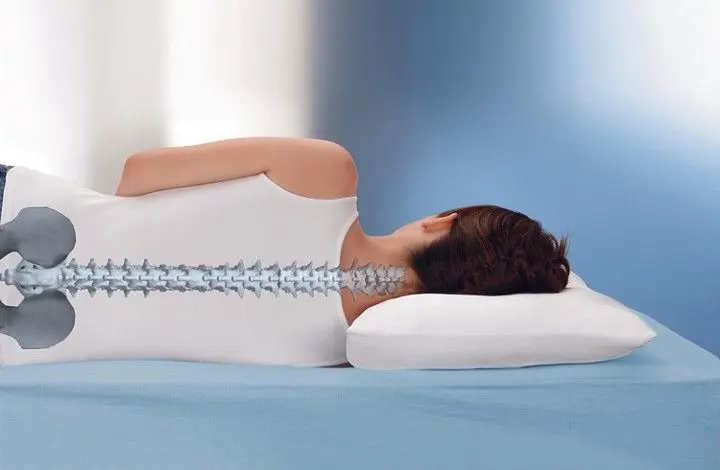
Step 1: Identify Your Sleeping Position
Your sleeping position is the most important factor.
Side Sleepers
Side sleepers usually need a soft to medium mattress (4–6). This allows the shoulders and hips to sink slightly while supporting the waist.
Back Sleepers
Back sleepers often prefer medium to medium-firm (5–7). This keeps the lower back supported without too much sinking.
Stomach Sleepers
Stomach sleepers need a firmer mattress (6–8). A soft mattress may cause the hips to sink too deeply, leading to back pain.
Combination Sleepers
If you change positions often, medium firmness (5–6) usually works best.
Step 2: Consider Your Body Weight
Body weight directly affects how a mattress feels.
Lightweight Sleepers (Under 60 kg)
They may prefer softer mattresses because firm ones can feel too hard.
Average Weight (60–90 kg)
Medium to medium-firm works well for balanced support.
Heavier Individuals (Over 90 kg)
They usually need medium-firm to firm mattresses for better support and durability.
Understanding your weight helps you decide how to choose the right mattress firmness more accurately.
Step 3: Think About Pressure Relief
If you experience joint pain, shoulder pain, or hip discomfort, choose a mattress that provides good pressure relief.
Memory foam mattresses are excellent for contouring and reducing pressure. Hybrid mattresses can also offer a balance of support and cushioning.
Step 4: Check Spinal Alignment
When lying on your mattress:
- Your spine should stay in a straight line.
- Your hips should not sink too deeply.
- There should be no gap under your lower back.
If you feel your body bending unnaturally, the firmness may not be correct.
Step 5: Test Before Buying
If possible:
- Lie down for at least 10–15 minutes in your usual sleeping position.
- Roll from side to side to test responsiveness.
- Check edge support if you sit on the side often.
Many brands now offer sleep trials of 90 to 120 nights. This gives you time to decide if the firmness truly suits you.
Step 6: Consider Health Conditions
If you suffer from:
- Chronic back pain
- Arthritis
- Sciatica
- Shoulder injuries
Consult a healthcare professional before choosing firmness. Often, medium-firm mattresses are recommended for back pain, but personal comfort still matters.
Benefits of Choosing the Right Mattress Firmness
- Better spinal alignment
- Reduced body pain
- Improved sleep quality
- Less tossing and turning
- Proper weight distribution
- Long-term back health
- Greater overall comfort
When you know how to choose the right mattress firmness, you reduce the risk of sleep problems and physical discomfort.
Disadvantages of Choosing the Wrong Firmness
- Increased back and neck pain
- Pressure points on hips and shoulders
- Poor sleep posture
- Reduced mattress lifespan
- Constant discomfort
A poor firmness choice may also lead to returning or replacing the mattress, which can be stressful and costly.
Common Mistakes to Avoid
Choosing Based on Brand Name Only
A famous brand does not guarantee the right firmness for you.
Assuming Firm Is Always Better
Many people believe a firm mattress is healthier. However, too much firmness can cause pressure pain.
Ignoring Body Weight
A mattress feels different depending on your weight. Always consider this factor.
Not Checking Return Policy
Without a trial period, you may get stuck with the wrong firmness.
Confusing Softness with Quality
Soft does not mean high quality. Focus on support and materials.
Avoiding these mistakes makes it easier to understand how to choose the right mattress firmness wisely.
FAQs
- What firmness is best for back pain?
Medium-firm mattresses are often recommended because they provide both support and comfort. - Is a soft mattress bad for your back?
Not necessarily. It depends on your sleep position and body weight. Too soft may cause poor alignment. - Can mattress firmness change over time?
Yes. Mattresses can soften with use. High-quality materials last longer. - How do I know if my mattress is too firm?
If you wake up with shoulder or hip pain, or feel pressure when lying down, it may be too firm. - How do I know if my mattress is too soft?
If your hips sink deeply and you feel lower back pain, it may be too soft. - Should couples choose different firmness levels?
If partners have different needs, consider a mattress with dual firmness options.
Expert Tips & Bonus Advice
Choose medium firmness if you are unsure. It suits most sleepers.
Pair your mattress with the right pillow. A supportive pillow improves overall alignment.
Rotate your mattress every few months to maintain even wear.
Do not rush the decision. Spend time understanding how to choose the right mattress firmness based on your body and comfort.
If you are switching from an old mattress, allow your body a few weeks to adjust to the new one.
Conclusion
Learning how to choose the right mattress firmness is one of the smartest decisions you can make for your sleep health. The perfect firmness level depends on your sleeping position, body weight, pressure relief needs, and personal comfort preferences.
A mattress that is too soft or too firm can disturb your sleep and cause body pain. However, the right firmness keeps your spine aligned, reduces pressure points, and helps you wake up refreshed every morning.
Take time to test mattresses, consider trial periods, and understand your own sleep habits. Remember that comfort is personal. What works for someone else may not work for you.
By following the steps and tips in this guide, you can confidently choose a mattress firmness that supports your body and improves your sleep quality for years to come.
