

Introduction
If you wake up tired, sore, or uncomfortable, you might think it’s time for a new mattress. But there’s another solution that is often easier and more affordable — a foam topper for better sleep.
Foam toppers are thin layers of foam that sit on top of your existing mattress. They can make an old mattress feel softer, more supportive, and cooler. For people who sleep hot, have pressure points, or wake with back pain, a foam topper can be a simple yet powerful way to improve comfort.
This beginner-friendly guide will show you how foam toppers work, why they help improve sleep, how to choose the right one, and what mistakes to avoid. You will also find frequently asked questions and expert tips so that you can get the most out of your foam topper.
Whether your mattress is too firm, too soft, or just not comfortable anymore, a foam topper may be the upgrade you need for better sleep—without spending too much money.
What Is a Foam Topper?
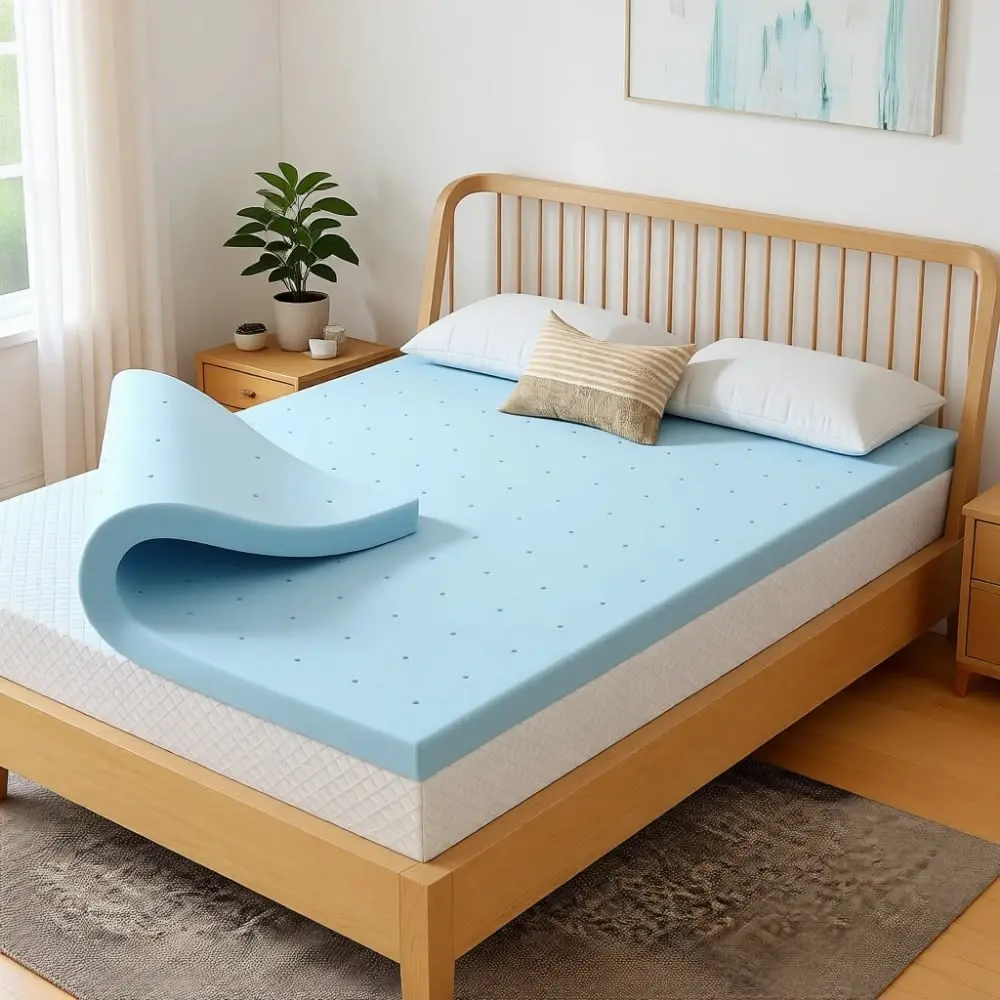
A foam topper is a removable layer of foam that you place on top of your mattress. It can be made from different types of foam such as:
- Memory foam
- Gel-infused foam
- Polyfoam
- Latex foam
The purpose of a foam topper is to improve comfort and change the feel of your mattress without replacing it. Foam toppers come in different thicknesses, usually between 2–4 inches.
A high-quality foam topper can make your mattress:
- Softer or firmer
- More supportive
- More comfortable
- Cooler and more breathable
Choosing the right topper depends on your sleep needs and preferences.
Why a Foam Topper Is Important for Better Sleep
Many people do not realize how much their mattress affects their sleep quality. A mattress that is too firm, too soft, or worn out can cause:
- Back pain
- Shoulder pain
- Hip pressure
- Restless sleep
- Frequent waking
A foam topper can help fix these issues by adjusting the mattress feel. It improves body support and pressure relief without the cost of a full mattress replacement.
Here’s why foam toppers are important:
- They improve comfort instantly
- They reduce pressure points
- They help the spine stay aligned
- They can make an old mattress feel new again
If you are struggling to sleep well, a foam topper is often a smart and cost-effective first step toward better rest.
Types of Foam Toppers

Memory Foam Toppers
Memory foam contours to your body and relieves pressure. It’s ideal if you:
- Sleep on your side
- Have shoulder or hip pain
- Want a soft hugging feel
Memory foam is slow to respond, so it molds around your shape for gentle comfort.
Gel-Infused Foam Toppers
Gel-infused foam adds cooling properties to memory foam. It helps reduce heat buildup, which makes it good for:
- Hot sleepers
- Warm climates
- People who sweat at night
This type balances comfort with temperature control.
Polyfoam Toppers
Polyfoam is lighter and more responsive than memory foam. It’s a good choice if you want:
- A bouncier feel
- Better airflow
- Affordable comfort
Polyfoam may not contour as closely as memory foam, but it offers good overall support.
Latex Foam Toppers
Natural latex toppers are more springy and breathable. They are ideal for people who want:
- Eco-friendly materials
- Strong support
- Cooler sleep
Latex often feels firmer than memory foam but stays responsive.
Step-by-Step Guide: How to Choose a Foam Topper for Better Sleep
Step 1: Know Your Sleep Position
Your sleep position affects the type and firmness of topper you need:
- Side Sleepers: Soft to medium foam reduces pressure on hips and shoulders.
- Back Sleepers: Medium foam supports the lower back.
- Stomach Sleepers: Medium-firm to firm keeps the hips from sinking too deep.
- Combination Sleepers: Medium foam provides balance.
Step 2: Select the Right Thickness
Toppers usually come in:
- 2 inches – Light cushioning
- 3 inches – Good balance of comfort and support
- 4 inches – Deep contouring and pressure relief
If your mattress is very firm, 3–4 inches may be more effective.
Step 3: Choose Foam Type
- Memory foam – Best pressure relief
- Gel-infused foam – Best cooling
- Polyfoam – Best affordable comfort
- Latex foam – Best natural and responsive feel
Step 4: Check Firmness
Firmness is rated from soft to firm. For most sleepers:
- Soft foam – Best for side sleepers
- Medium foam – Best for back sleepers
- Firm foam – Best for stomach sleepers
Step 5: Consider Temperature Control
If you sleep hot, look for:
- Gel-infused foam
- Breathable covers
- Open-cell foam design
These features help heat escape and keep you cooler.
Step 6: Review Trial and Return Options
Many brands offer sleep trials or return periods. This allows you to test your topper at home before deciding.
Benefits of Foam Topper for Better Sleep
- Adds comfort to a worn mattress
- Reduces pressure points
- Helps relieve back pain
- Improves spinal alignment
- Enhances heat circulation
- Often less expensive than a new mattress
- Easy to install and remove
Disadvantages / Risks
- May wear out faster than a full mattress
- Some foam can trap heat
- Lower-quality foam can sag quickly
- Too soft foam may lack support for heavy sleepers
- May not fix deep mattress structural problems
Understanding these helps you avoid poor choices.
Common Mistakes to Avoid
Here are mistakes many people make when buying a foam topper:
- Choosing by price only – Cheap toppers may not last.
- Ignoring sleep position – The wrong foam feels uncomfortable.
- Not checking thickness – Too thin may not make a difference.
- Buying without a trial – Comfort feels different at home.
- Not considering temperature control – Heat-trapping foam can cause night sweats.
Avoiding these mistakes makes choosing a topper easier and more satisfying.
FAQs
1. How long does a foam topper last?
Most foam toppers last 2–5 years, depending on quality and use.
2. Does a topper help with back pain?
Yes. A foam topper can improve support and reduce pressure, which may ease back pain.
3. Will a topper make my mattress too soft?
It can soften your mattress, but choosing the right foam type and firmness controls how soft it feels.
4. Do foam toppers trap heat?
Traditional memory foam can trap heat, but gel-infused or breathable foam helps cooling.
5. Can I wash a foam topper?
Most foam toppers are not machine washable. Spot cleaning or using a removable cover is recommended.
6. Are foam toppers good for hot sleepers?
Yes — especially gel-infused or open-cell foam toppers designed for airflow and cooling.
Expert Tips & Bonus Points
- Pair your topper with a breathable mattress protector for extra cooling.
- Rotate or flip your foam topper every few months to prevent uneven wear.
- Choose a thicker topper if your mattress is very firm or old.
- Use a mattress pad underneath for extra moisture protection.
- Give your body a 2-week adjustment period after adding a topper.
Conclusion
A foam topper guide for better sleep shows that choosing the right topper can transform your current mattress into a more comfortable and supportive surface. Foam toppers help relieve pressure points, improve comfort, and even reduce back pain — all without replacing your mattress.
The key is understanding your sleep needs, knowing your sleep position, and selecting the proper type and thickness of foam. Whether you need cooling properties, extra softness, or firm support, a foam topper can offer a personalized comfort upgrade.
Remember to check the firmness level, cooling features, and trial policies before buying. With the right topper, you are one step closer to deeper, more restful sleep — night after night.
