

Introduction
Back pain affects millions of people around the world. Whether it’s caused by poor posture, long working hours, or stress, back pain can make everyday life harder. One important factor that many people overlook is sleep. Your mattress can either help reduce back pain or make it worse.
This is where pressure relief foam for back pain comes into play. Foam designed for pressure relief is made to reduce stress on the body, especially around the lower back, hips, and shoulders. It helps support your spine and improves comfort throughout the night. Many people wake up feeling less stiff and more refreshed after switching to the right foam.
Not all foam products are the same. Memory foam, gel-infused foam, and hybrid foam options each provide a different feel and level of support. Choosing the best pressure relief foam for your back pain means understanding your sleep style, body weight, and comfort needs.
In this article, you will learn how foam helps with back pain, which types work best, how to choose wisely, common mistakes to avoid, and expert tips to improve your sleep health. By the end, you will be confident in picking pressure relief foam that supports your back and improves your sleep.
What Is Pressure Relief Foam for Back Pain?
Pressure relief foam for back pain refers to foam materials designed to reduce pressure points in the body while providing support to the spine and muscles.
When you lie down, certain parts of your body carry more weight:
- Lower back
- Hips
- Shoulders
If your mattress or foam does not relieve pressure, these areas have to bear the force. This can cause discomfort, stiffness, and long-term pain.
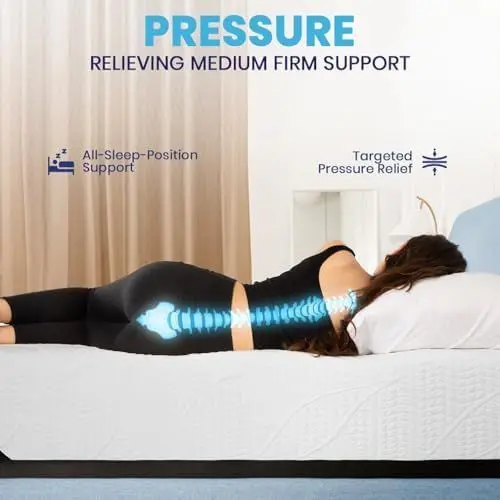
Pressure relief foam gently conforms to your body. It spreads your weight evenly, reducing pressure on sensitive areas. This helps your muscles relax and your spine stay aligned. The result? You sleep better and wake up with less pain.
Why Is Pressure Relief Foam Important for Back Pain?
Back pain has many causes, but sleep posture and mattress support play a big role.
When your mattress does not provide proper support:
- Your spine curves unnaturally
- Muscles try to compensate
- Pressure builds up in key areas
Over time, this can worsen back pain.
Pressure relief foam is important because:
- It reduces strain on your lower back
- It supports spinal alignment
- It helps distribute body weight evenly
- It minimizes tossing and turning
This makes pressure relief foam a top choice for anyone suffering from back pain and looking for better sleep quality.
Types of Pressure Relief Foam

Memory Foam
Memory foam is the most popular type for pressure relief. It molds to your body and cushions weight points.
- Contours body shape
- Excellent pressure relief
- Great for side and back sleepers
Memory foam helps the spine stay neutral and reduces tension in muscles.
Gel-Infused Foam
Gel-infused foam works like memory foam but includes gel beads or cooling layers.
- Contours like memory foam
- Cooler sleeping surface
- Reduces heat buildup
This is ideal for back pain sufferers who also sleep hot.
High-Density Polyfoam
Polyfoam is a supportive foam layer that adds firmness and structure.
- Creates strong support base
- Works well with memory foam
- Helps prevent sagging
A combination of memory foam and high-density polyfoam often provides balanced comfort and support.
How Pressure Relief Foam Helps With Back Pain
Pressure relief foam works in several ways:
1. Better Spinal Alignment
When the spine is aligned properly, muscles relax and nerves get less stress. Foam that conforms to the body supports natural curves and helps keep the spine in a neutral position.
2. Reduced Pressure on Sensitive Areas
Areas like the lower back and hips often bear the most weight. Foam that relieves pressure distributes weight evenly so no area gets overloaded.
3. Improved Blood Circulation
By reducing pressure points, foam helps improve blood flow to muscles. This can reduce stiffness and speed up recovery while you sleep.
4. Less Tossing and Turning
Pressure relief foam reduces discomfort, which means fewer wake ups and a deeper, more restful sleep.
How to Choose the Right Pressure Relief Foam
Choosing the right pressure relief foam is not always easy. Follow these key steps:
Step 1: Know Your Sleep Position
Your sleep position affects what firmness you need:
- Side Sleepers: Soft to medium foam is often best to cushion shoulders and hips.
- Back Sleepers: Medium to medium-firm foam supports the lower back.
- Stomach Sleepers: Medium-firm to firm foam helps prevent the hips from sinking too far.
Step 2: Consider Your Body Weight
Body weight affects how a mattress or foam feels:
- Lightweight (Under 60 kg): Softer foam improves comfort.
- Average Weight (60–90 kg): Medium foam is balanced.
- Heavier (Over 90 kg): Medium-firm or firm foam supports better.
Step 3: Check Density and Quality
High-quality, high-density foam lasts longer and provides consistent pressure relief.
- Higher density = better support
- Lower density = faster wear
Step 4: Temperature Control
If you sleep warm, choose gel-infused or breathable foam. Pressure relief foam with cooling features helps reduce heat buildup.
Step 5: Test With a Sleep Trial
Many mattress brands offer 90–120 night trials. Always take advantage of a trial period to test comfort and pressure relief at home.
Benefits of Pressure Relief Foam for Back Pain
- Reduces lower back pressure
- Supports spinal alignment
- Improves sleep quality
- Helps reduce muscle tension
- Suitable for multiple sleep positions
- Supports joint comfort
- Reduces tossing and turning
- Often compatible with adjustable bases
Disadvantages / Risks
- Some foam may trap heat
- Initial off-gassing smell with memory foam
- Too soft for heavier sleepers
- Not as bouncy as innerspring mattresses
- Low-quality foam can sag quickly
Common Mistakes to Avoid
- Choosing foam that is too soft or too firm
- Ignoring your sleep style and body weight
- Not checking trial period or return policy
- Focusing only on price, not quality
- Not testing the foam at home before deciding
Avoiding these mistakes helps ensure you find pressure relief foam that truly supports your back and improves comfort.
FAQs
1. How does foam relieve back pain?
Pressure relief foam supports proper spinal alignment and reduces pressure on sensitive areas like the lower back and hips.
2. Is memory foam good for back pain?
Yes, memory foam is widely recommended for back pain because it contours to your body and reduces pressure points.
3. Will foam make my back pain better immediately?
Some people feel relief quickly, but it may take 2–4 weeks for your body to adjust to the new comfort and support.
4. Does foam trap heat?
Traditional memory foam can retain heat, but gel-infused and breathable foams help improve airflow and keep you cooler.
5. Can foam help chronic back pain?
Pressure relief foam can help many people with chronic back pain, but severe conditions should also be reviewed by a healthcare professional.
6. How long does pressure relief foam last?
High-quality foam mattresses or toppers can last 7–10 years, depending on use and maintenance.
Expert Tips & Bonus Advice
- Rotate your mattress or foam topper every few months to avoid uneven wear.
- Pair your foam with a supportive pillow for neck alignment.
- If you sleep on your back, consider a medium-firm foam for balance.
- Side sleepers with hip pain may benefit from extra cushioning layers.
- Always follow the manufacturer’s care instructions.
Conclusion
Pressure relief foam for back pain can dramatically improve sleep comfort and reduce pain when chosen correctly. Foam works by supporting spinal alignment, reducing pressure buildup, and evenly distributing body weight. It is especially helpful for side and back sleepers who experience soreness or stiffness.
To choose the right foam, consider your sleep position, body weight, firmness needs, and any cooling requirements. Testing foam with a trial period gives you real-world feedback before committing. With high-quality foam and proper selection, many people experience noticeable relief and more restful sleep.
Choosing pressure relief foam is not just about comfort — it’s about promoting better sleep health and reducing the physical stress that often comes from poor alignment and pressure points. The right foam can make your nights more restful and your mornings more comfortable.
