

Introduction
Choosing the right mattress material is one of the biggest decisions you can make for a better night’s sleep. Two of the most popular options today are memory foam and latex. Each promises comfort, support, and improved sleep quality. But if you’re confused about which one truly offers better comfort, you aren’t alone.
Many people ask, “Is memory foam better than latex for comfort?” or “Which material feels more comfortable for my sleep style?” The answer depends on what comfort means to you — pressure relief, softness, bounce, temperature control, or body contouring.
In this article, we explain memory foam vs latex for comfort in a simple, unbiased way. You’ll learn what each material feels like, how they support your body, where they perform best, and what to consider before buying. Whether you’re a back sleeper, side sleeper, hot sleeper, or joint-pain sufferer, this comparison will help you choose with confidence.
What Is Memory Foam?
Memory foam is a type of foam originally developed by NASA to absorb impact. Today, it is widely used in mattresses and pillows.
- It is soft, slow to respond, and molds to your body shape.
- It compresses under pressure and slowly regains its shape once pressure is removed.
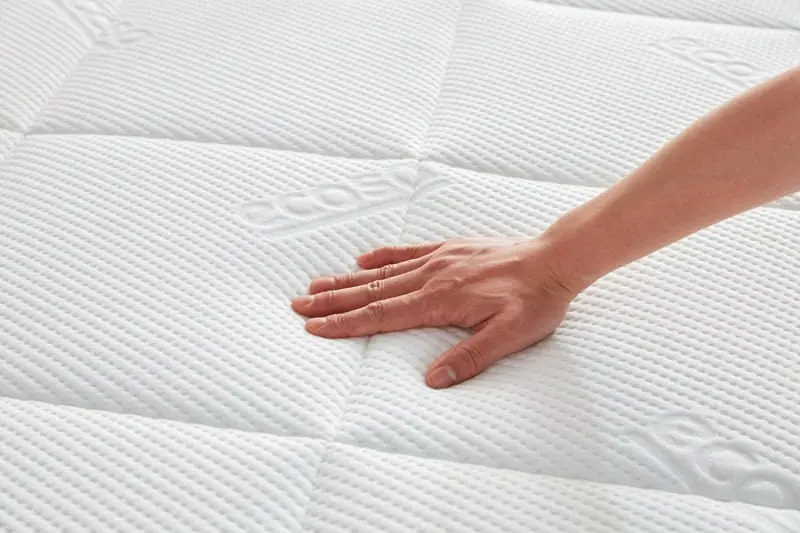
- Because it contours closely around you, many find memory foam very comfortable.
Memory foam adapts to your curves, especially around your shoulders and hips. This makes it popular for pressure relief and deep body comfort.
What Is Latex?
Latex is a material made from sap of the rubber tree or produced synthetically.
There are two common types:
- Natural latex – made from real rubber tree sap
- Synthetic latex – made in a factory
Latex feels different from memory foam. It is more springy, responsive, and faster to react. When you lie on latex, you don’t sink in as much. Instead, it supports you from the surface.
Why Compare Memory Foam vs Latex for Comfort?
Understanding memory foam vs latex for comfort helps you choose the right mattress for your sleep needs.
Comfort is not just softness. Real comfort includes:
- Pressure relief
- Spinal support
- Heat regulation
- Motion isolation
- Long-term durability
Since both materials behave differently, the comparison makes it easier to match a mattress with your preferences.
Memory Foam vs Latex: Detailed Comfort Comparison

1. Contouring and Pressure Relief
Memory Foam:
- Highly contouring
- Excellent pressure relief
- Ideal for side sleepers or people with joint pain
Memory foam hugs your body and evenly distributes weight. This reduces stress on shoulders and hips.
Latex:
- Medium contouring
- Less hug than memory foam
- Still supportive, but more balanced
Latex offers gentle contouring without deep sink-in. It supports your body while keeping a little bounce.
Comfort Winner: Memory foam if you love deep body hug.
2. Temperature and Cooling Comfort
Memory Foam:
- Can trap heat
- Traditional memory foam may feel warm
Many modern memory foam mattresses include gel or cooling technology, but heat retention can still be noticeable.
Latex:
- Naturally breathable
- Cooler sleeping surface
Latex has open cells and more airflow, making it a better option for hot sleepers.
Comfort Winner: Latex if cool sleep matters most.
3. Responsiveness and Bounce
Memory Foam:
- Slow response
- Minimal bounce
Memory foam conforms slowly, so movement feels more absorbed.
Latex:
- Quick response
- Bouncy and supportive
Latex pushes back gently, making it easier to change positions.
Comfort Winner: Latex for bounce; memory foam if you prefer slow hugging.
4. Motion Isolation
Memory Foam:
- Excellent motion isolation
- Best choice for couples
Memory foam absorbs movement so your partner’s movement doesn’t travel across the bed.
Latex:
- Moderate motion isolation
- Some movement transfer
Latex isolates motion, but not as much as memory foam.
Comfort Winner: Memory foam for couples.
5. Firmness and Feel
Memory Foam:
- Generally softer
- Deep sinking feeling
Latex:
- Slightly firmer feel
- Gently supportive
If you like a soft, sinking comfort, memory foam usually wins. If you like feeling “on” the mattress, latex feels more supportive.
Comfort Winner: Depends on your softness preference.
Benefits of Memory Foam
- Excellent body contouring
- Great pressure relief
- Best motion isolation
- Ideal for side sleepers
- Reduces joint pain
- Often more affordable
Benefits of Latex
- Naturally cool
- Springy and responsive
- Eco-friendly natural options
- Durable and long-lasting
- Good support for all sleep positions
- Less chemical smell after unpacking
Disadvantages / Risks
Memory Foam:
- Heat retention in traditional versions
- Can feel too soft for some
- Initial off-gassing smell
Latex:
- More expensive
- Less contouring for heavy pressure points
- Natural latex may feel too firm for some side sleepers
Common Mistakes to Avoid
- Choosing solely based on price
- Ignoring your sleep position
- Assuming all memory foam feels the same
- Forgetting cooling needs
- Buying without trying a trial period
FAQs
1. Which is more comfortable, memory foam or latex?
Comfort depends on your preference. Memory foam offers deeper body contouring, while latex feels springier and cooler.
2. Is latex better for hot sleepers?
Yes. Latex naturally breathes better and stays cooler than many memory foam mattresses.
3. Does memory foam relieve pressure better?
Because it molds closely around your body, memory foam usually offers better pressure relief.
4. Will a latex mattress feel firm?
Some latex mattresses are firm, but many come in medium or plush options. Always check the firmness level before buying.
5. Do memory foam mattresses smell when new?
Yes, they can have a mild smell known as “off-gassing” when first unpacked. It usually fades in a few days.
6. Is latex more durable than memory foam?
Natural latex is generally more durable and can last longer than many memory foam mattresses.
Expert Tips & Bonus Points
- If you sleep hot and want cool comfort, go for latex or gel-infused memory foam.
- Side sleepers often prefer memory foam for pressure relief.
- Combination sleepers may like latex for responsiveness.
- Always check sleep trial and warranty.
- Test your mattress for plenty of time — comfort takes real use.
Conclusion
Comparing memory foam vs latex for comfort comes down to your personal sleep needs. Memory foam excels at contouring and pressure relief, making it ideal for side sleepers and anyone who enjoys a deep “hugging” feel. Latex shines in cooling comfort, responsiveness, and eco-friendly options, making it great for hot sleepers and those who prefer a bouncier surface.
There is no one-size-fits-all answer, but understanding these differences helps you choose with clarity. Whether you choose memory foam or latex, focusing on comfort, support, and your sleep style will help you rest better every night. Sleep quality matters — and the right mattress material makes all the difference.
